{{para.t}}
English
{{para.t}}
{{city}} {{cityTime}}
건축설계 · 도시설계 · 도시재생
Architecture & Urban Design
We interpret the undefined landscapes of the city to propose architecture particular to each place.
건축은 언제나 누군가 먼저 살았던 땅 위에 선다. 그래서 설계는 그리는 일보다 읽는 일에서 먼저 시작된다. 길이 어디서 휘는지, 사람들이 어느 모서리에서 걸음을 멈추는지, 오후의 빛이 어느 담에 오래 머무는지. 도시가 빠르게 바뀌는 동안에도 그런 시간은 쉽게 사라지지 않는다. 건축은 그것을 지우는 대신 이어 써야 하고, 그렇게 이어 쓴 도시가 더 건강한 도시라고 믿는다.
Architecture always stands on ground someone has lived on before. Design therefore begins with reading rather than drawing — where a street bends, at which corner people stop, which wall holds the afternoon light the longest. Even as cities change quickly, that time does not easily disappear. Architecture should continue it rather than erase it — and a city written on in this way, we believe, is a healthier one.
장소는 지도 위의 좌표로 설명되지 않는다. 수십 년 같은 골목을 오간 사람들의 습관, 허물어진 담장의 자국, 이름만 남은 시장. 노르베르그슐츠가 말한 장소의 혼은 이런 작은 사실들이 오래 쌓인 퇴적층에 가깝다. 우리는 그것을 박제하듯 보존하기보다, 건축이 기대어 설 수 있는 지반으로 삼는다.
A place cannot be described by its coordinates. The habits of people who have walked the same alley for decades, the marks of a demolished wall, a market that survives only as a name — the genius loci Norberg-Schulz described is closer to a slow sediment of such small facts. We do not embalm it; we treat it as the ground architecture can lean on.
풍경은 멀리서 바라보는 그림이기 전에 걸어 들어가는 장면이다. 처마 아래의 그늘, 강 쪽으로 트이는 시선, 광장과 골목 사이의 밀도. 건물 하나가 들어서면 그 장면 전체가 다시 짜인다. 건축은 땅 위로 떠오르는 상상을 평면 위에 옮기는 일이다. 대지 안에서 시작된 그 상상은 바깥으로 번져 나가며, 산과 물, 이웃한 지붕들과 함께 하나의 풍경을 이룬다.
Before it is a picture seen from afar, a landscape is a scene one walks into — the shade beneath an eave, a view opening toward the river, the density between a square and an alley. A single building rearranges the whole scene. Architecture is the act of bringing onto the plan an imagination that rises above the ground. Beginning within the site, that imagination spreads outward until it forms a single landscape with the mountains, the water and the neighbouring roofs.
지역의 건축 언어는 형태보다 짓는 방식에 더 오래 남는다. 벽돌을 쌓는 손의 높이, 나무가 만나는 마디, 그 땅에서 구할 수 있는 재료의 무게. 구축은 기술의 문제이면서 태도의 문제다. 오래 쓰이고, 고쳐 쓸 수 있고, 다음 세대가 다시 손댈 여백을 남기는 건물을 짓고자 한다.
A regional language of architecture survives longer in how things are built than in how they look — the height of a hand laying brick, the joint where timbers meet, the weight of materials found nearby. Tectonics is a matter of technique and of attitude. We aim for buildings that last, that can be repaired, and that leave room for the next generation to work on them again.
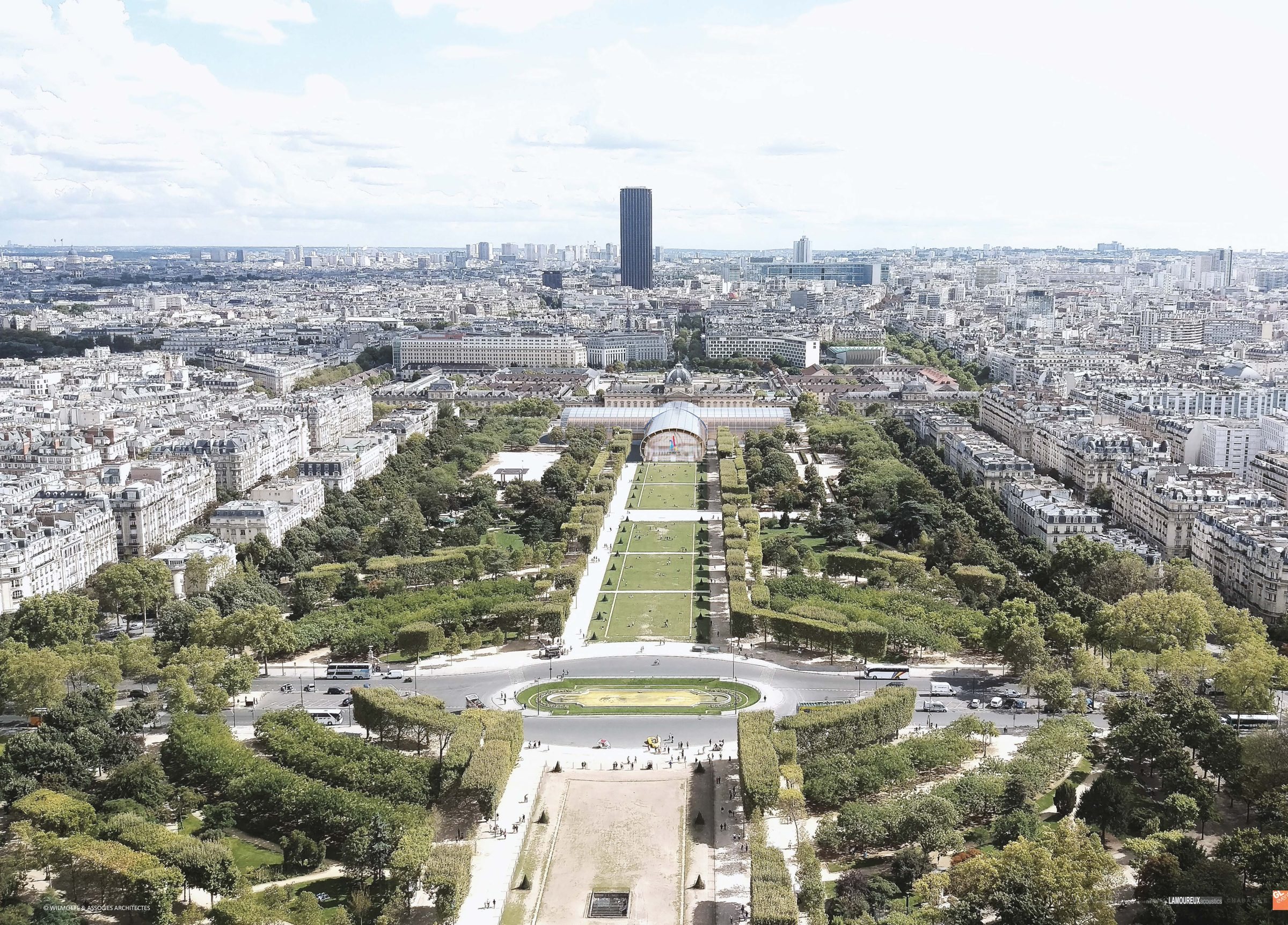
Champ de Mars, Paris Grand Palais Éphémère
Obd lab
Originality by Design
건축도시연구실 · Architecture & Urban Design Lab
School of Architecture, Jeonbuk National University
Obd lab은 전북대학교 건축학부의 건축도시연구실이다. Originality by Design은 설계를 통해 만들어지는 독창성을 뜻한다. 여기서 독창성은 남다른 형태나 스타일이 아니라, 도시와 장소를 독자적으로 읽고 해석하는 과정에서 발견되는 건축의 고유성이다. 연구실은 이미 존재하지만 그 의미와 가능성이 충분히 읽히지 않은 도시의 풍경을 관찰하고 해석해 설계의 질문을 찾고, 각 장소에 고유한 건축을 제안한다. 학문적 탐구와 설계 실천이 함께 이루어지는 건축·도시 디자인 랩이다.
Obd lab is the Architecture & Urban Design Lab at the School of Architecture, Jeonbuk National University. Originality by Design means originality made through design: not a distinctive form or style, but the particularity of architecture found by reading and interpreting a city and a place in one’s own way. The lab observes urban landscapes that already exist but whose meanings and possibilities remain unread, finds in them the questions of design, and proposes architecture particular to each place — a lab where academic inquiry and design practice proceed together.
Scope 연구와 설계의 범위
Join함께 연구할 학부연구생과 대학원생을 모집합니다. Contact
[블로그 에세이를 옮겨 올 자리입니다]
{{sel.no}}
{{para.t}}
English
{{para.t}}
{{para.t}}
English
{{para.t}}
김재현Jaehyeon Kim
전북대학교 건축학부 건축학전공 조교수 · 프랑스 공인 건축사(HMONP)
Assistant Professor, School of Architecture, Jeonbuk National University · Architecte HMONP
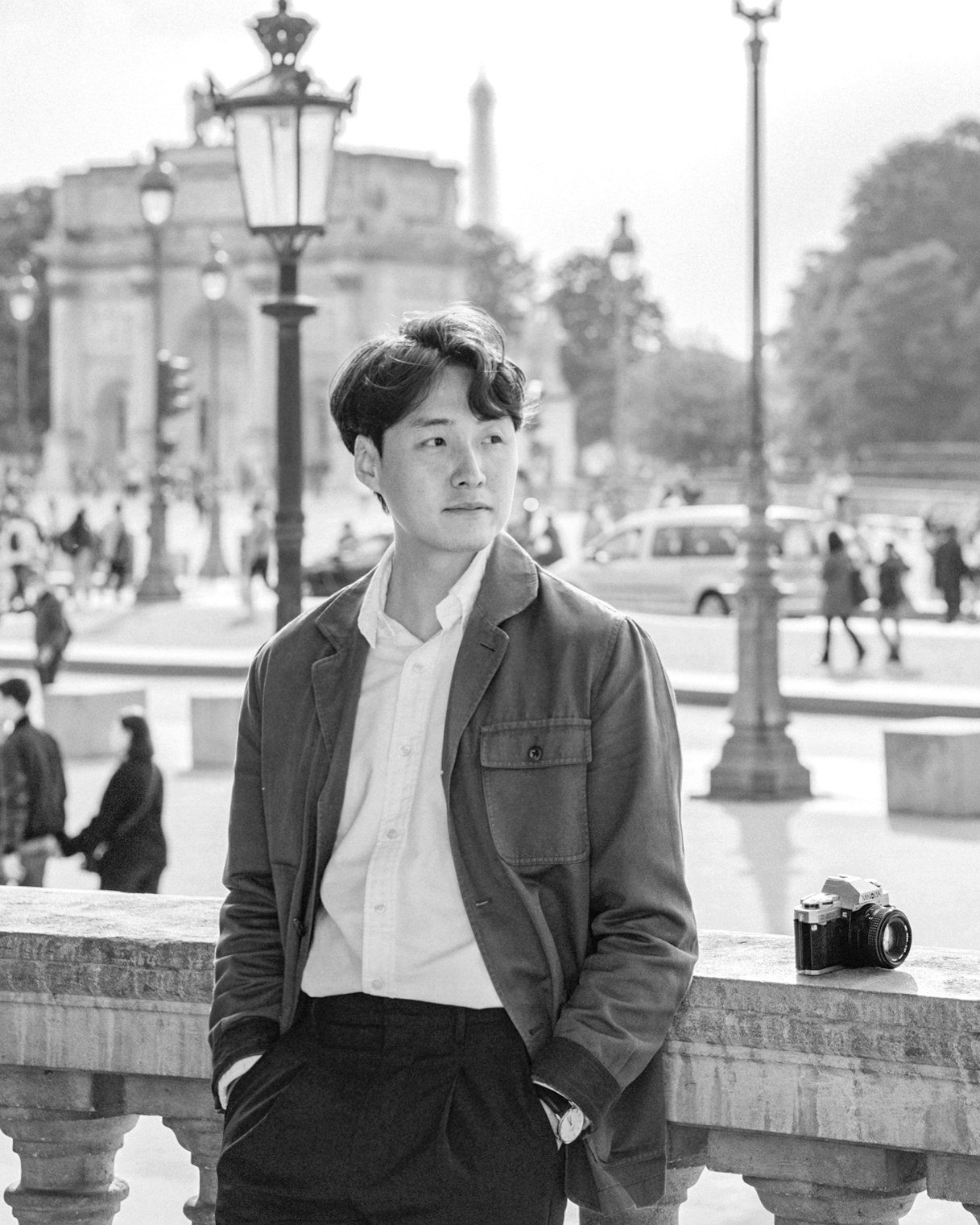
프랑스 낭시와 파리 라빌레트의 국립건축학교에서 공부하며, 오래된 도시가 켜켜이 쌓인 시간 위에서 변화를 받아들이는 방식을 가까이에서 보았다. 그 경험은 건축이 장소의 맥락 안에서 어떤 크기와 태도로 도시에 개입해야 하는가라는 물음으로 남았다. 같은 학교에서 프랑스 공인 건축사(HMONP) 과정을 마쳤다.
파리의 Wilmotte & Associés에서 다년간 그랑 팔레 에페메르를 비롯해 문화·공공·주거·전시 공간에서 도시계획에 이르는 다양한 스케일의 프로젝트를 설계했다. 서울로 돌아와 에이앤유 디자인그룹에서 대규모 주거와 공공 현상설계를 이어 갔고, 여러 공모에서 수상하였다. 이후 Obd Architects를 열고, 건축이 장소의 기억과 풍경, 그리고 그곳의 일상과 어떻게 관계 맺을 수 있는지를 물으며 설계와 연구를 함께 해 왔다. 건축은 기능을 담는 그릇을 넘어 도시와 사람 사이에 머물 자리를 만들어 주는 일이라는 생각이 그 바탕에 있다.
현재 전북대학교 건축학부 건축학전공 조교수로 재직하며 건축도시연구실 Obd lab을 이끌고 있다. 연구의 중심에는 건축의 공공성이라는 주제가 있다. 공공성은 공공건축만의 것이 아니라, 사적인 건축이 도시와 맞닿는 경계에서도 생겨난다. 공적 공간과 사적 공간을 가로지르는 이 공공성을 장소·풍경·구축의 관점에서 읽고, 그것을 다시 설계로 풀어내는 일. 건축가이자 연구자로서 지금 붙들고 있는 질문이다.
Studying at the national schools of architecture in Nancy and Paris-La Villette, I watched closely how old cities absorb change upon their accumulated layers of time. That experience left me with a lasting question: at what scale, and with what attitude, should architecture intervene in a place and its context? I then completed the HMONP, the French qualification to practise as an architect.
For several years at Wilmotte & Associés in Paris I designed projects across a wide range of scales, from cultural, public, residential and exhibition spaces to urban planning, among them the Grand Palais Éphémère. Back in Seoul I continued with large housing and public competitions at ANU Design Group, receiving awards in a number of them. I then founded Obd Architects, pursuing design and research together around one question: how architecture can relate to the memory of a place, its landscape and its everyday life. Underneath lies the conviction that architecture is more than a container for functions; it makes places to dwell between the city and its people.
I am currently Assistant Professor at the School of Architecture, Jeonbuk National University, where I direct Obd lab, the Architecture & Urban Design Lab. At the centre of my research is the publicness of architecture. It is not the preserve of public buildings; it also arises at the edges where private architecture meets the city. To read this publicness across public and private space through place, landscape and tectonics, and to translate it back into design: that is the question I hold today, as architect and researcher.
CareerJeonbuk National University, Jeonju
Obd Architects, Seoul — Principal
ANU Design Group, Seoul
Wilmotte & Associés, Paris
EducationHMONP, ENSA Paris-La Villette, Paris
M.Arch, ENSA Paris-La Villette, Paris
B.Arch, ENSA Nancy, Nancy
MembershipsArchitectural Institute of Korea · Korean Institute of Architects · Korea Institute of Spatial Design
메가이벤트를 통한 도시 경험의 재구성과 도시 공간 의미의 재해석 — 2024 파리 올림픽 개막식 사례를 중심으로한국공간디자인학회 · 2026
소도심 도시재생을 위한 공공건축 디자인 설계 연구한국공간디자인학회 · 2025
2개의 공공건축 설계공모 사례에 기반한 생성형 AI 활용 분석과 교육 확장한국공간디자인학회 · 2025
{{post.date}}
{{post.catLabel}}
{{post.en}}
{{para.t}}
English
{{para.t}}
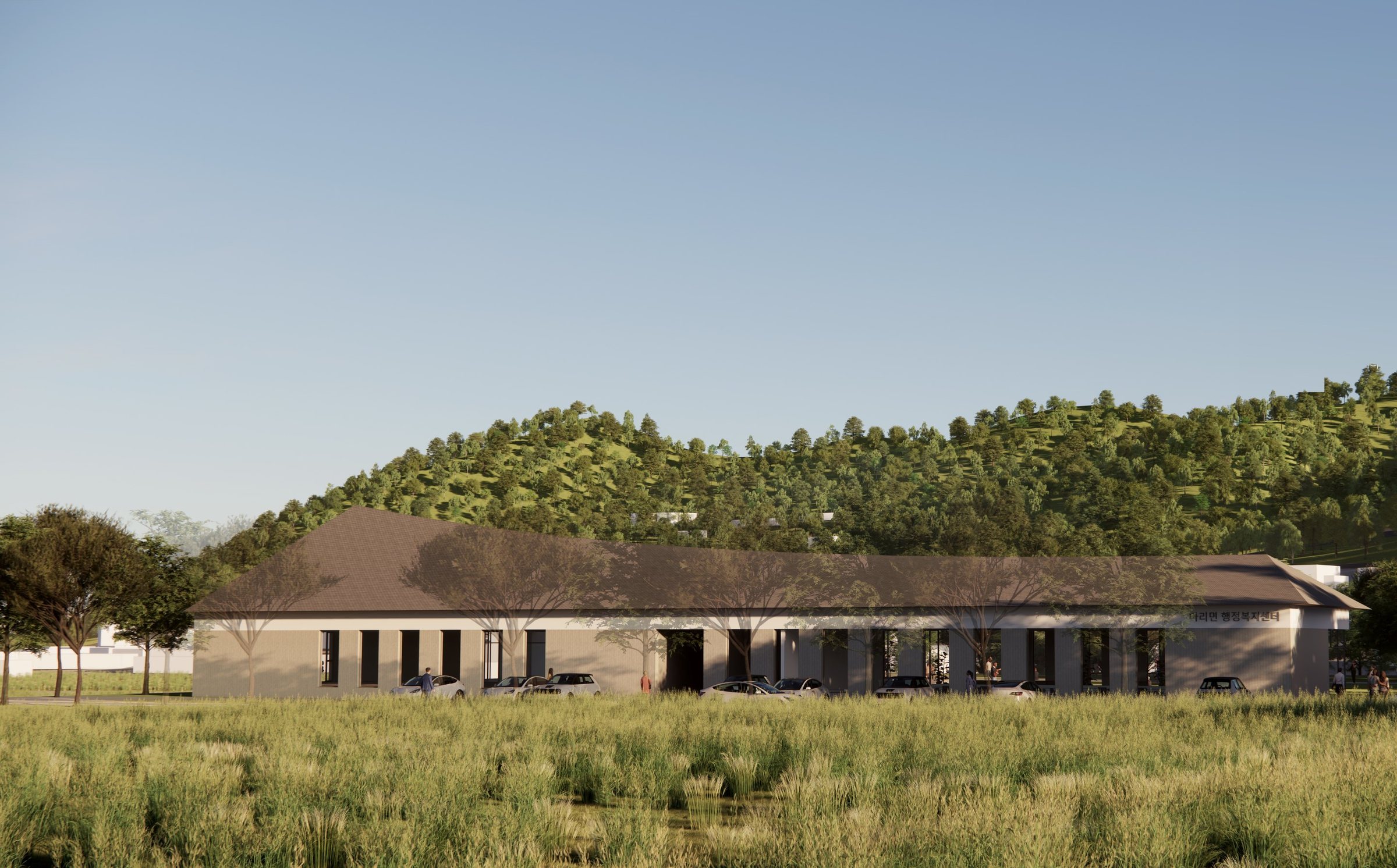
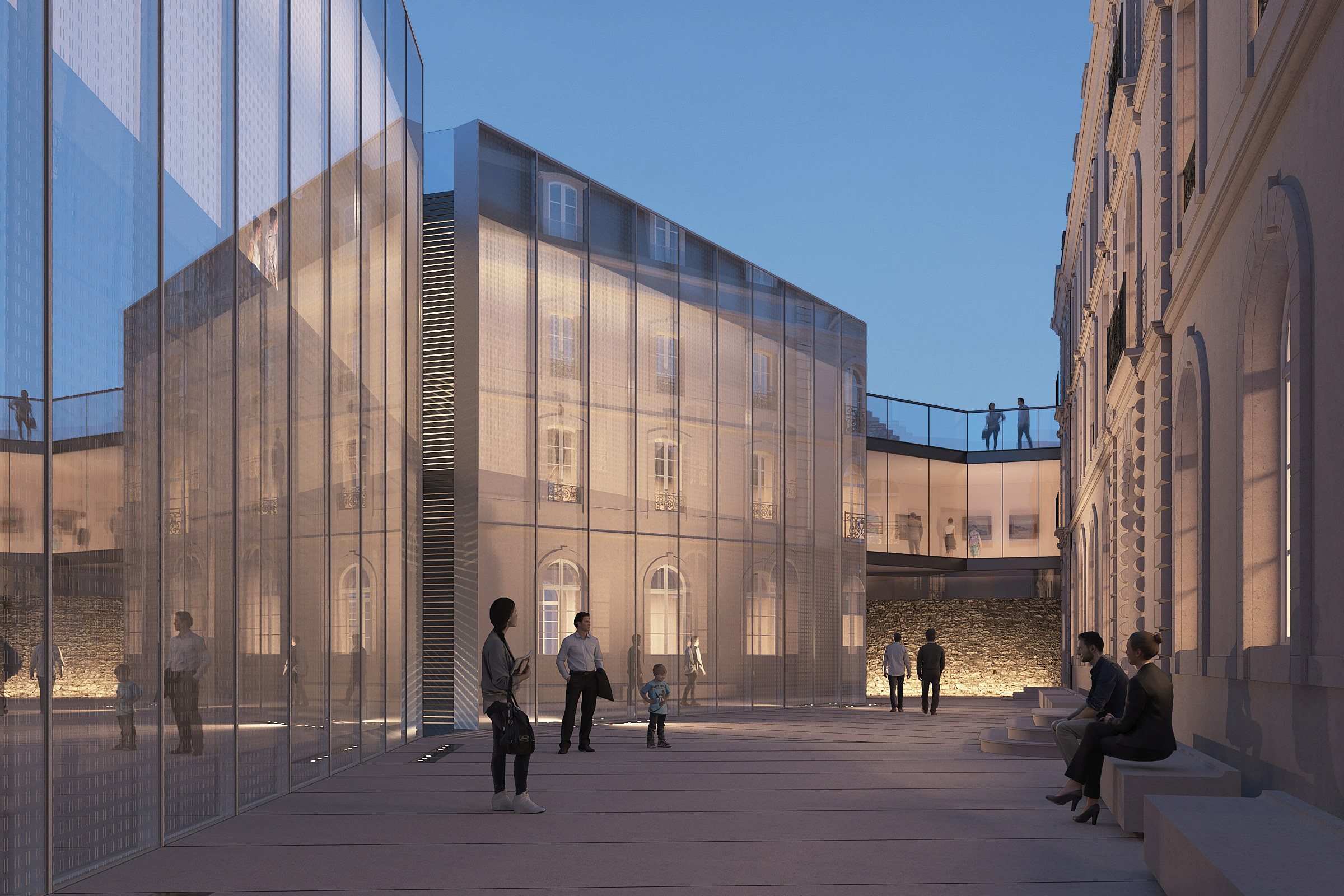
건축설계 · 도시설계 · 도시재생
Architecture & Urban Design
We interpret the undefined landscapes of the city to propose architecture particular to each place.
건축은 언제나 누군가 먼저 살았던 땅 위에 선다. 그래서 설계는 그리는 일보다 읽는 일에서 먼저 시작된다. 길이 어디서 휘는지, 사람들이 어느 모서리에서 걸음을 멈추는지, 오후의 빛이 어느 담에 오래 머무는지. 도시가 빠르게 바뀌는 동안에도 그런 시간은 쉽게 사라지지 않는다. 건축은 그것을 지우는 대신 이어 써야 하고, 그렇게 이어 쓴 도시가 더 건강한 도시라고 믿는다.
Architecture always stands on ground someone has lived on before. Design therefore begins with reading rather than drawing — where a street bends, at which corner people stop, which wall holds the afternoon light the longest. Even as cities change quickly, that time does not easily disappear. Architecture should continue it rather than erase it — and a city written on in this way, we believe, is a healthier one.
장소는 지도 위의 좌표로 설명되지 않는다. 수십 년 같은 골목을 오간 사람들의 습관, 허물어진 담장의 자국, 이름만 남은 시장. 노르베르그슐츠가 말한 장소의 혼은 이런 작은 사실들이 오래 쌓인 퇴적층에 가깝다. 우리는 그것을 박제하듯 보존하기보다, 건축이 기대어 설 수 있는 지반으로 삼는다.
A place cannot be described by its coordinates. The habits of people who have walked the same alley for decades, the marks of a demolished wall, a market that survives only as a name — the genius loci Norberg-Schulz described is closer to a slow sediment of such small facts. We do not embalm it; we treat it as the ground architecture can lean on.
풍경은 멀리서 바라보는 그림이기 전에 걸어 들어가는 장면이다. 처마 아래의 그늘, 강 쪽으로 트이는 시선, 광장과 골목 사이의 밀도. 건물 하나가 들어서면 그 장면 전체가 다시 짜인다. 건축은 땅 위로 떠오르는 상상을 평면 위에 옮기는 일이다. 대지 안에서 시작된 그 상상은 바깥으로 번져 나가며, 산과 물, 이웃한 지붕들과 함께 하나의 풍경을 이룬다.
Before it is a picture seen from afar, a landscape is a scene one walks into — the shade beneath an eave, a view opening toward the river, the density between a square and an alley. A single building rearranges the whole scene. Architecture is the act of bringing onto the plan an imagination that rises above the ground. Beginning within the site, that imagination spreads outward until it forms a single landscape with the mountains, the water and the neighbouring roofs.
지역의 건축 언어는 형태보다 짓는 방식에 더 오래 남는다. 벽돌을 쌓는 손의 높이, 나무가 만나는 마디, 그 땅에서 구할 수 있는 재료의 무게. 구축은 기술의 문제이면서 태도의 문제다. 오래 쓰이고, 고쳐 쓸 수 있고, 다음 세대가 다시 손댈 여백을 남기는 건물을 짓고자 한다.
A regional language of architecture survives longer in how things are built than in how they look — the height of a hand laying brick, the joint where timbers meet, the weight of materials found nearby. Tectonics is a matter of technique and of attitude. We aim for buildings that last, that can be repaired, and that leave room for the next generation to work on them again.
Champ de Mars, Paris Grand Palais Éphémère
Obd lab
Originality by Design
건축도시연구실 · Architecture & Urban Design Lab
School of Architecture, Jeonbuk National University
Obd lab은 전북대학교 건축학부의 건축도시연구실이다. Originality by Design은 설계를 통해 만들어지는 독창성을 뜻한다. 여기서 독창성은 남다른 형태나 스타일이 아니라, 도시와 장소를 독자적으로 읽고 해석하는 과정에서 발견되는 건축의 고유성이다. 연구실은 이미 존재하지만 그 의미와 가능성이 충분히 읽히지 않은 도시의 풍경을 관찰하고 해석해 설계의 질문을 찾고, 각 장소에 고유한 건축을 제안한다. 학문적 탐구와 설계 실천이 함께 이루어지는 건축·도시 디자인 랩이다.
Obd lab is the Architecture & Urban Design Lab at the School of Architecture, Jeonbuk National University. Originality by Design means originality made through design: not a distinctive form or style, but the particularity of architecture found by reading and interpreting a city and a place in one’s own way. The lab observes urban landscapes that already exist but whose meanings and possibilities remain unread, finds in them the questions of design, and proposes architecture particular to each place — a lab where academic inquiry and design practice proceed together.
Scope 연구와 설계의 범위
Join함께 연구할 학부연구생과 대학원생을 모집합니다. Contact